


Facelift Surgery Toronto
Board-certified Plastic Surgeon Dr. Dimitrious Motakis performs every facelift technique available in Toronto matched precisly to your anatomy, aging pattern, and goals.


Patients cared for
Years of experience
Google Rating
Dr. Motakis' Approach to Facelift Surgery

Every face ages differently, which is why Dr. Motakis begins each consultation with a structural assessment rather than a procedure recommendation. He evaluates the depth of tissue descent, skin quality, and bone structure before ever discussing which technique might apply, because the wrong facelift for your anatomy will look worse, not better, no matter how skilled the surgeon.
Rather than defaulting to a single signature procedure, Dr. Motakis maintains fluency across the full range of facelift techniques, from a short scar lift to a comprehensive deep plane approach, so the recommendation is built around your face, not around what one operation happens to be marketed as universal.
This diagnostic-first approach also means some patients are told a facelift isn't yet the right step. Where a liquid or non-surgical approach can achieve the same goal with less recovery, that's the option presented first.
Book Consultation
What to Expect From Your Facelift Surgery
Facelift surgery is a cosmetic procedure and is not covered by OHIP. The final quote reflects surgeon's fee, facility fee, and anesthesia, and moves based on the technique selected, whether it's combined with other procedures, and the extent of correction needed. Financing options are available and discussed during your consultation.
Procedure
2-5 Hours
Depends on technique — a mini or short scar lift runs shorter than a comprehensive deep plane facelift.
Downtime
1-3 Weeks
Light techniques allow a return to social activity within a week; comprehensive lifts need two to three.
Longevity
10+ Years
Most techniques provide long-lasting correction, though no facelift stops natural aging.
Final Results
Weeks - 12 Months
Initial improvement shows within weeks; full refinement continues over several months.
More About Dr. Diimitrios Motakis
Dr. Motakis is a board-certified plastic surgeon with over 25 years of experience, specializing in facial rejuvenation surgery in Toronto. Face and neck lifting has remained a central focus of his practice throughout that time, with patients travelling from across Canada and internationally for his anatomy-driven, natural-result approach.
 MD, PhD, McGill University
- Royal College-certified Plastic Surgeon, FRCSC
- Member, Canadian Society for Aesthetic Plastic Surgery (CSAPS)
- Member, Canadian Society of Plastic Surgeons
- Licensed, College of Physicians and Surgeons of Ontario (CPSO)

SKIN TO IT Podcast
Guest feature, "Deep Plane Facelift: What Patients Should Know," July 2026.
Journal Publication - Dermatologic Surgery
Co-author of a clinical study examining whether prior injectable treatments affect complication rates in deep-plane facelift surgery.
Textbook Contributor
Plastic Surgery, 3rd Edition (Elsevier)Contributing author of the "Soft-Tissue Fillers" chapter.
Before & After Results
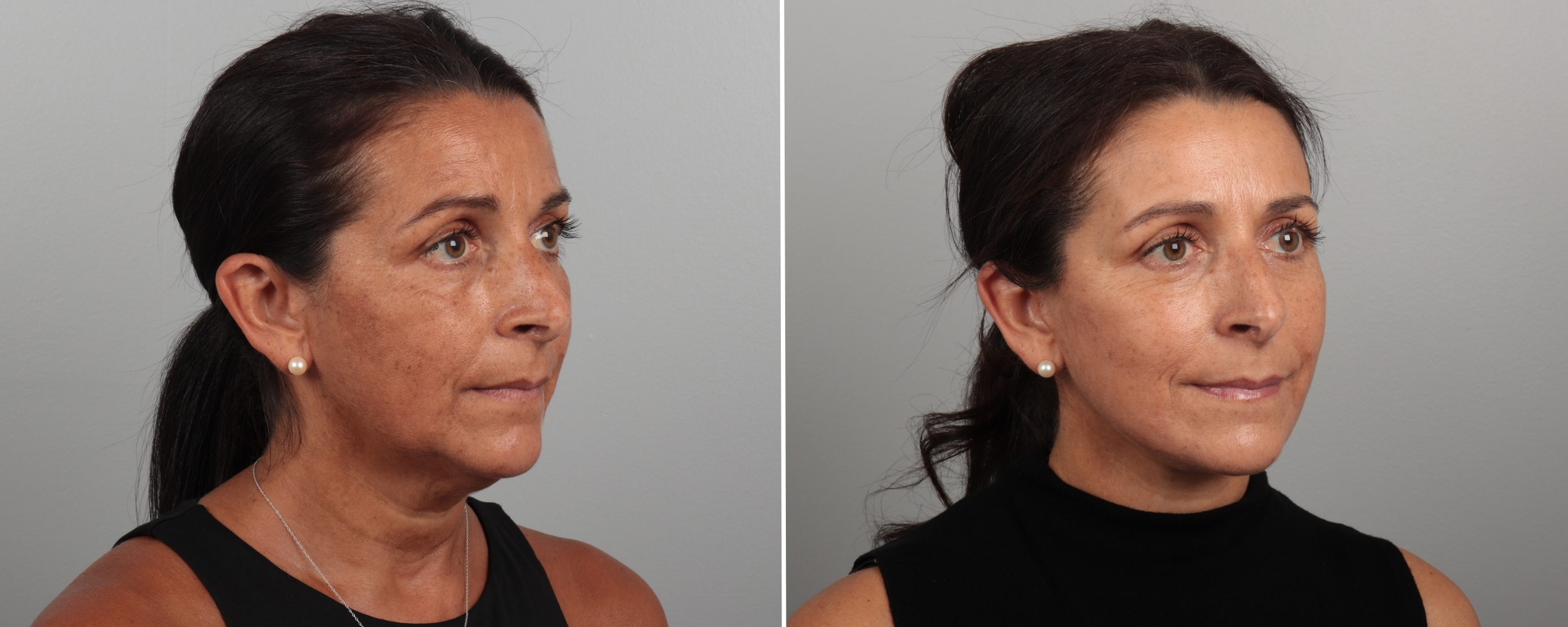
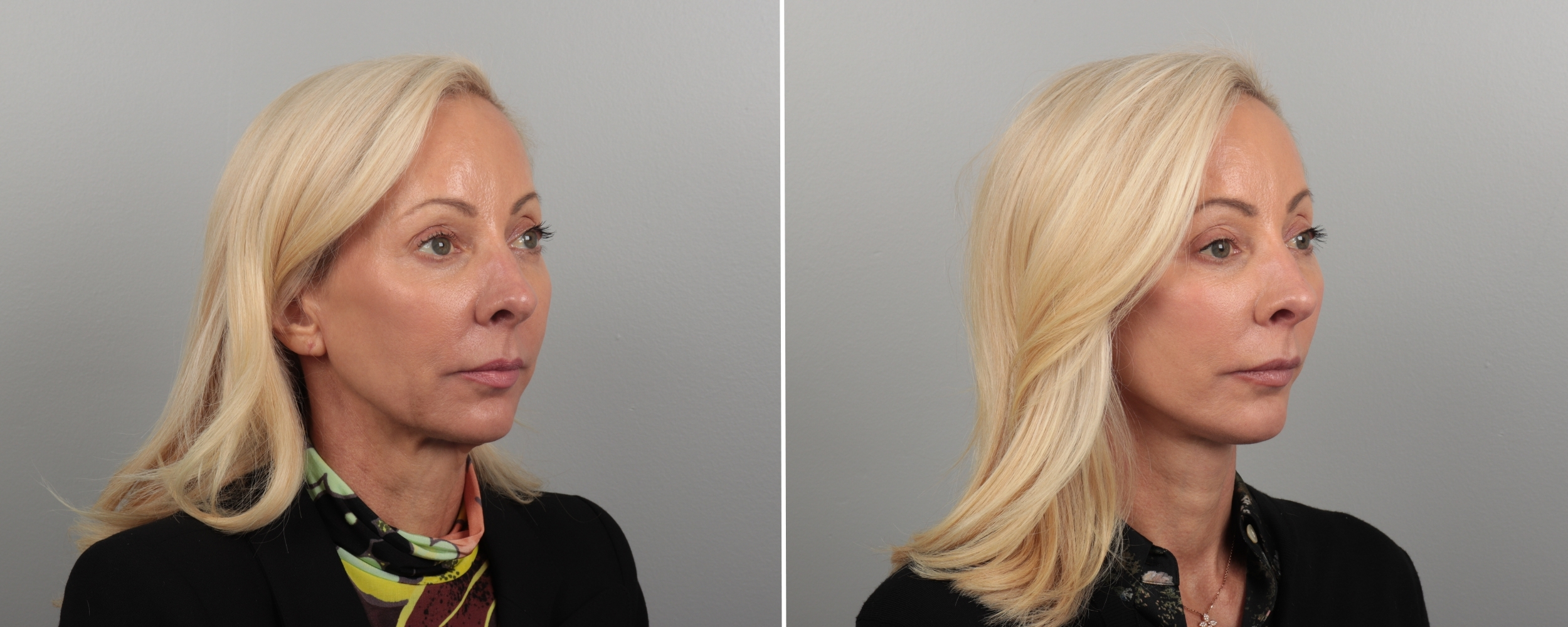
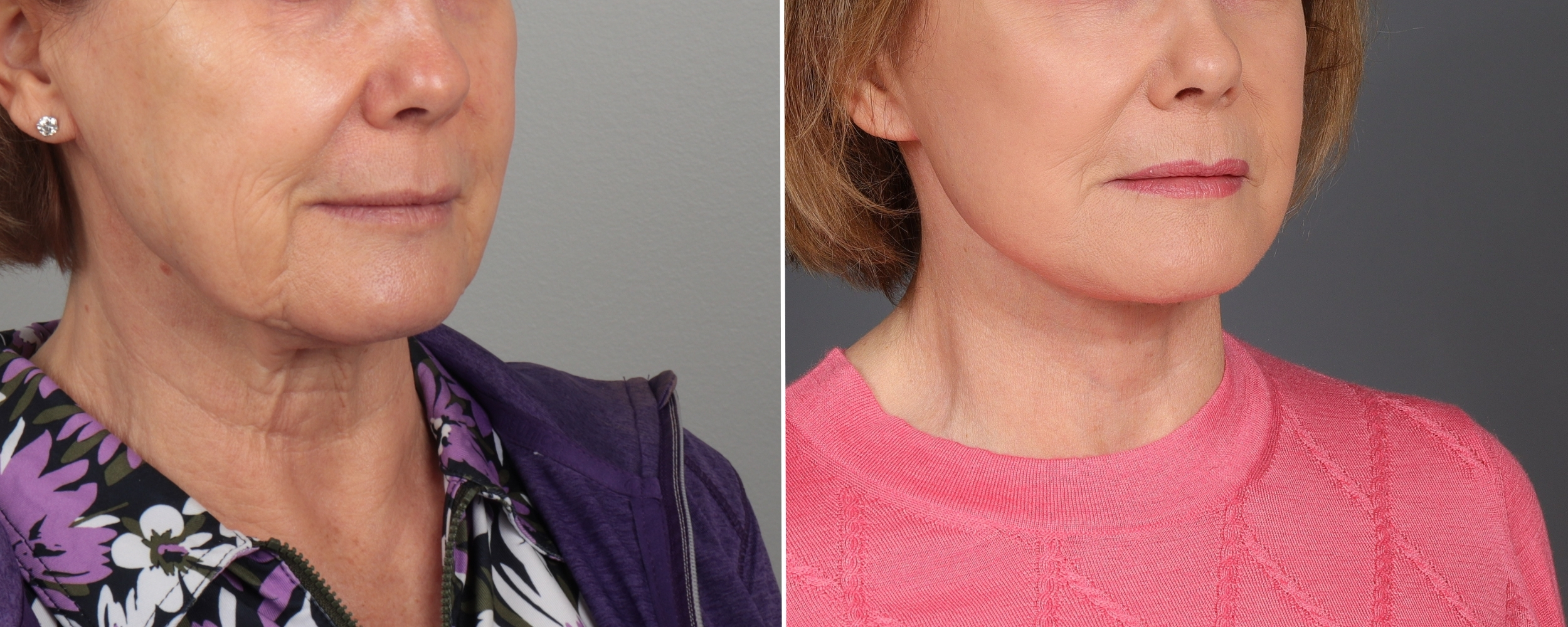
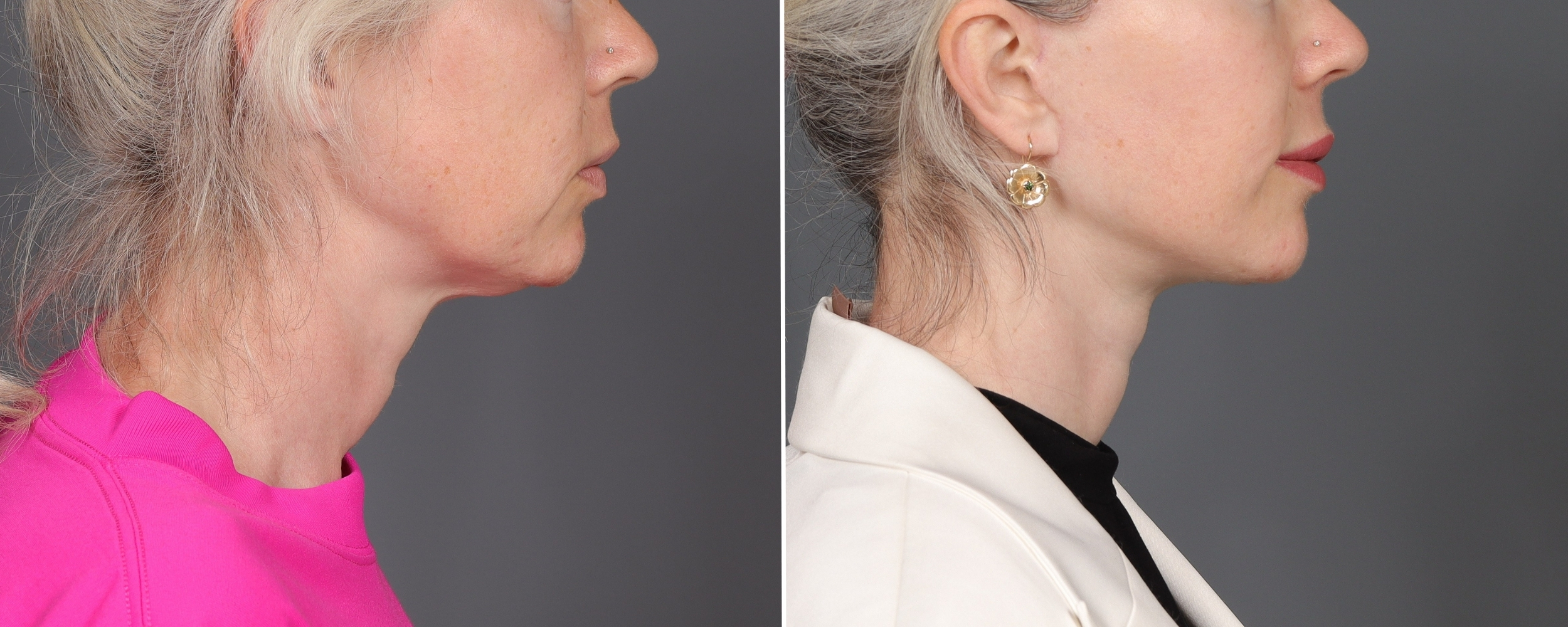
Results across mini, SMAS, and comprehensive facelift techniiques. Full gallery available with additional views and case details.
Case Study
This patient, in her early 70s, had undergone a previous facelift over a decade earlier. While her skin quality remained excellent, deeper structural aging had progressed: volume loss through the midface, herniated buccal fat adding heaviness to the lower face, and enlarged submandibular glands softening her jawline.
Her deep plane face and neck lift was tailored to these specific findings, addressing the displaced fat, restoring midface volume through fat grafting, and reducing her submandibular glands to sharpen her jawline.At four weeks, her result already reflects the goal behind every procedure here: refreshed, not tight or overdone. Facial rejuvenation isn't one technique applied uniformly; it's tailored to each patient's underlying anatomy.
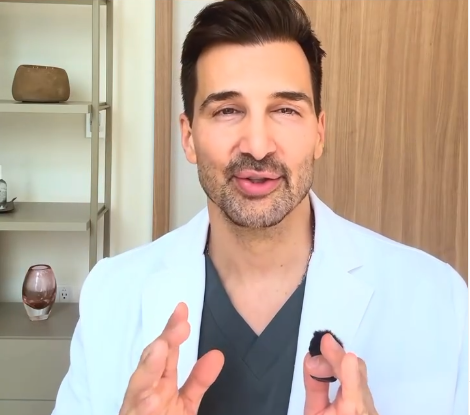

Dr. Motakis Explains The Case
Ready For Your Personalized Facelift Consultation?
Book a one-on-one with Dr. Motakis to talk through your goals, your anatomy, and the technique that fits both.

Who Is a Candidate for a Facelift?
Candidacy is guided by individual anatomy and aging pattern rather than age alone. Patients in their 40s through their 70s may all be candidates, though the appropriate technique differs considerably between them.
- Generally good health, with no conditions that impair healing
- Reasonable skin elasticity (we can review this in consultation)
- Visible jowling, midface descent, or neck laxity affecting confidence
- Non-smoker, or willing to stop well in advance of surgery
- Realistic expectations about outcome and recovery
- Ability to follow post-operative care instructions
Who May Not Be a Good Candidate?
As with any surgical procedure, facelift surgery carries risks. These are uncommon but are reviewed in detail during consultation and include:
 Bleeding or hematoma requiring drainage
- Temporary or, rarely, permanent nerve irritation affecting facial movement or sensation
- Asymmetry requiring a touch-up procedure
- Infection at the incision site
- Delayed wound healing or visible scarring
- Anesthesia-related risk, discussed with your anesthesiologist beforehand
Who May Not Be a Good Candidate?
A facelift may not be recommended, or may need to be delayed, for patients who have uncontrolled high blood pressure or diabetes, a bleeding disorder or use blood-thinning medication that can't be safely paused, are currently smoking or using nicotine products, have an active skin infection or condition in the treatment area, or have unrealistic expectations about what surgery can achieve relative to non-surgical options. These are evaluated individually during consultation, not used as blanket exclusions.
Types of Facelift Surgery
Facelift options fall into two categories: the surgical technique used, and the facial area or patient profile it's designed for. Tap any item to read more.
What Actually Separates a Deep Plane Facelift From a SMAS Lift?
The difference comes down to the retaining ligaments: the connective tissue that holds sagging structures in place as the face ages, contributing to deep nasolabial folds and jowling. A traditional SMAS facelift largely leaves these ligaments intact. A deep plane facelift releases them, allowing deeper tissue to be genuinely repositioned rather than simply tightened. It isn't a matter of operating more aggressively; it's a matter of releasing what's actually holding aging tissue in place.
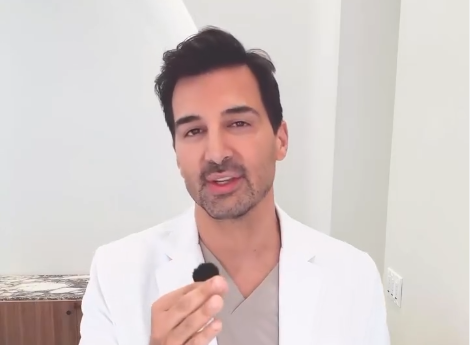
Dr. Motakis Explains: SMAS vs. Deep Plane
By Surgical Technique
How the correction is performed: incision length, tissue plane, and invasiveness
Deep Plane Facelift Surgery
Deep plane facelift surgery works beneath the superficial layers of the face, allowing the surgeon to reposition deeper facial tissues rather than relying primarily on tension placed on the skin. The technique can address age-related descent through areas such as the cheeks, jowls and jawline while preserving a natural relationship between the skin and underlying tissues.
A deep plane facelift is one of several established approaches to facial rejuvenation. The most appropriate technique depends on the individual’s anatomy, degree of aging and desired outcome rather than the popularity of a particular surgical term
SMAS Facelift Surgery (Including SMASectomy)
A SMAS facelift addresses the superficial musculoaponeurotic system (SMAS), a supportive layer of tissue beneath the skin. Instead of simply tightening loose skin, the surgeon repositions or tightens this deeper layer to improve the contours of the lower face and jawline.
There are several ways of working with the SMAS. A SMASectomy is one variation in which a carefully selected portion of the SMAS is removed and the remaining tissue repositioned. Which approach is appropriate depends on facial anatomy and the degree and location of tissue laxity.
Endoscopic Facelift
An endoscopic facelift uses a small camera and specialized instruments inserted through relatively limited incisions to access and reposition facial tissues. Endoscopic techniques are most commonly associated with targeted areas such as the brow and midface rather than extensive loose skin throughout the lower face and neck.
For appropriately selected patients, the technique can provide focused correction with smaller incisions. It is not necessarily an alternative to a full facelift when more extensive facial or neck laxity is present.
MACS Facelift Surgery
MACS stands for Minimal Access Cranial Suspension. A MACS facelift is a short-scar technique that uses suspension sutures to reposition facial tissues in a predominantly upward direction, generally through a more limited incision than a traditional facelift.
Because the extent of dissection is more limited, MACS facelift surgery may be considered for certain patients with mild to moderate facial aging. More significant laxity or aging involving several areas of the face and neck may call for a more comprehensive surgical approach.
S-Lift Surgery
An S-lift is a limited-incision facelift technique named for the approximate shape of the incision around the ear. It generally focuses on early to moderate laxity of the lower face and jowls rather than addressing the entire face and neck.
Like other limited facelift procedures, an S-lift may suit patients whose concerns are relatively localized. The term can describe slightly different techniques between surgeons, making the underlying surgical plan more important than the name itself.
Short Scar Facelift Surgery
Short scar facelift surgery uses a more limited incision than a traditional facelift, usually concentrating treatment around the lower face, jowls and jawline. The amount of tissue dissection and repositioning can vary depending on the technique being used.
A shorter incision does not automatically make a procedure preferable or appropriate. For patients with more significant facial or neck laxity, a longer incision may provide the surgeon with the access required to address the underlying tissues more comprehensively.
Mini Facelift Surgery
A mini facelift is a broad term generally used to describe a less extensive facelift performed through shorter incisions and with more limited tissue dissection. It is commonly considered for patients with earlier signs of facial aging, particularly mild jowling or laxity through the lower face.Importantly, there is no single standardized “mini facelift.”
What one surgeon describes as a mini facelift may differ considerably from another, so patients should understand exactly which tissues and areas will be addressed.
Weekend Facelift Surgery
“Weekend facelift” is primarily a marketing term rather than the name of one standardized surgical technique. It is often used to describe limited-incision facelifts, mini facelifts or other less extensive procedures promoted as having a shorter recovery period.
At AvenueMD, recovery is better understood according to the actual procedure being performed rather than a label suggesting patients will necessarily recover within a weekend. Even limited procedures can involve swelling, bruising and healing that continues beyond several days.
Preservation Facelift Surgery
Preservation facelift surgery describes approaches designed to reposition aging facial tissues while preserving more of the face’s natural structural connections and limiting unnecessary tissue disruption. Different preservation techniques may work with the retaining ligaments, SMAS and other facial structures in different ways.
“Preservation facelift” does not currently refer to one universally defined operation. As with deep plane, SMAS and limited-incision approaches, the value of the technique depends on how it is applied to an individual patient’s anatomy and goals.
By Facial Area & Patient Profile
Which zone of the face is addressed, or whether your situation calls for a different approach
Mid-Facelift Surgery
Mid-facelift surgery focuses primarily on the central portion of the face, particularly the cheeks and the area beneath the eyes. It is designed to reposition descended midfacial tissues rather than treating significant laxity of the jawline and neck.
For some patients, a mid-facelift can be performed as a targeted procedure. For others, changes in the cheeks are part of broader facial aging and may be better addressed within a more comprehensive facelift plan.
Lower Facelift Surgery
Lower facelift surgery focuses on age-related changes through the lower third of the face, including jowling, loss of jawline definition and laxity around the mouth and chin. Depending on the patient's anatomy, treatment of the lower face may also be closely connected with treatment of the neck.
The term describes the area being addressed rather than one particular surgical technique. Deep plane, SMAS and limited-incision methods may all be adapted to address the lower face in different circumstances.
Cheek Lift Surgery
Cheek lift surgery focuses on repositioning tissues that have descended through the midface with age. This can help restore the natural position and contour of the cheek and improve the transition between the lower eyelid and cheek.
A cheek lift is closely related to what is often called a mid-facelift, and the terms may overlap. Whether the cheek should be treated independently or as part of a broader facelift depends on how aging has affected the rest of the face.
Jawline Lift Surgery
Jawline lift surgery generally refers to facelift techniques used to improve jowling and restore a clearer transition between the face, jaw and neck. Rather than simply tightening the skin along the jaw, modern facelift techniques can reposition the underlying tissues contributing to loss of definition.
Because jowling often occurs alongside changes in the neck and lower face, a consultation considers these areas together rather than treating the jawline as an isolated feature.
Male Facelift Surgery
Male facelift surgery follows the same fundamental principles of facial rejuvenation but requires careful consideration of male facial anatomy, hair patterns, beard-bearing skin and preferred facial proportions. Incision placement is also planned with particular attention to the hairline, sideburn and area around the ear.
The aim is not to apply a different aesthetic ideal to every male patient, but to develop a surgical plan that respects the individual’s existing facial structure and the changes they would like to address.
Revision Facelift Surgery (Secondary Facelift)
Revision facelift surgery is performed on a patient who has previously undergone a facelift. Some patients seek a secondary facelift many years later as the natural aging process continues, while others may be considering surgery to address aspects of a previous result.
Prior surgery can change the anatomy of the face through scar tissue, previous tissue repositioning and existing incisions, making revision facelift surgery particularly individualized. Careful assessment of the previous procedure and current facial anatomy is an important part of planning.
Preparing For Surgery
What's asked of you in the weeks leading up to your facelift.
- Stop smoking or nicotine products at least 3 to 4 weeks before surgery, and through recovery
- Stop neuromodulators (e.g., Botox) roughly 3 months before, and fillers approximately 1 year before, where possible
- Arrange a caregiver to drive you home and stay with you the first night
- Pause blood thinners, certain supplements (fish oil, vitamin E, ginkgo), and anti-inflammatory medication as directed
- Complete any requested bloodwork, ECG, or other pre-operative clearance as instructed by your care team
- Prepare your recovery space: extra pillows, loose front-button clothing, soft foods
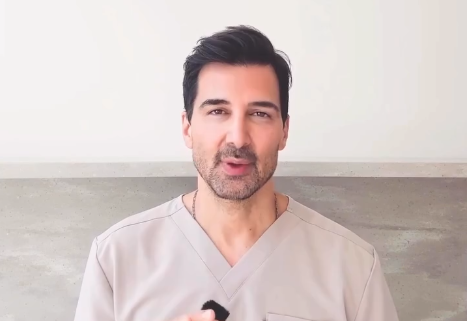
Dr. Motakis Explains: What Recovery Looks Like
Recovery Timeline, Week By Week
A facelift changes how you look and feel, but getting there is a process worth understanding upfront. Here's a general guide; your surgeon will tailor this to your specific technique.
Week 1
Swelling, bruising, some numbness, and tightness are expected. Dressings and any drains are removed within the first week, with sutures typically out around day 7. Rest, keep your head elevated, and follow your surgeon's care instructions closely.
Week 2
Swelling begins to ease and most bruising resolves. You'll start looking more like yourself again, and many patients feel comfortable applying makeup and returning to light social activity.
Weeks 3-4
Most patients return to work and light exercise. Bruising continues to fade and facial contours become more defined day by day.
1 Month
Exercise, travel, swimming, and hair coloring or other treatments are generally safe to resume. Some subtle swelling may linger, and strict sun protection over incisions remains essential during this period.
3–6 Months
Lingering tightness or numbness gradually fades. By six months, most swelling has resolved and incisions have faded significantly. Final, fully settled results can continue to refine up to twelve months, particularly with more comprehensive techniques.
If you're planning a wedding, milestone event, or photoshoot, it's worth scheduling it a few months after surgery, once swelling has fully settled and incisions are at their most discreet.
In Our Patients' Own Words
"It is with utmost pleasure I write my recent surgery experience with Dr Motakis..My entire experience from first meeting the staff and Dr Motakis I felt welcomed and cared for. He listened . He observed he asked me questions…his gentle confident approach made me feel I was in the right hands . Fast forward a week my results have surpassed my expectations. look like me but younger and refreshed..."
SANDY S

"I want to sincerely thank Dr. Dimitrios Motakis for his exceptional skill and care. I spent two years searching for the right surgeon, and he exceeded all my expectations.I had a facelift along with upper and lower blepharoplasty, and the results are truly amazing — natural, refreshed, and harmonious. I now receive so many compliments, and I feel confident and happy."
ALLA G
"I am writing this review to express my gratitude to Dr. Motakis and his wonderful staff for outstanding customer service. My experience during a recent surgical procedure was "top notch" from beginning to end.Dr. Motakis, in my opinion, is one of Toronto's top cosmetic surgeons. His extensive medical background, dirth of experience, excellent skill set as a surgeon and warm and kind demeanor makes my 5 out of 5 review very justified."
TRACEY K
"Dr. Motakis is an incredible gifted surgeon. On top of that, his staff is absolutely amazing! I'm extremely happy with my results and I am very happy that I went to him. I wouldn't trust anyone else, but him with my face. I recommended him to all my friends. Ladies this doctor is absolutely incredible. If you have any concerns, go to him, you will not be disappointed. I promise you that. A+"
LINA D
"I cannot say enough positive things about Dr. Motakis and his team. From the very moment I entered his facility, I felt welcomed by his attentive and caring staff. During our consultation, Dr. Motakis took his time to address all of my concerns leaving me with a great sense of confidence in his knowledge, attention to detail and eye for aesthetics. Overall, I’ve had a very positive experience and would highly recommend Dr. Motakis to anyone looking for a professional, highly skilled surgeon."
J G
"I would like to take this opportunity to thank Dr. Motakis and his team for the amazing experience I had at AvenueMD. From the consultation to the post op and final appointment , Dr. Motakis made me feel relaxed, well taken care of and treated with respect. There’s no doubt that he’s an artist in the field of plastic surgery and has the most incredible bedside manner"
D T
"I am forever grateful for the existence of this man. He is the most kind, honest, patient, professional, and detail oriented individual I have ever had the pleasure of dealing with. He has operated on me on a number of occasions now, and has basically held my hand throughout the entire experience - beforehand, during, and post-op. To be honest, Dr. Motakis is the only doctor I would allow to come near me with a scalpel."
ELENA D
Location & Contact
Clinic Hours
Weekends: Closed
Location & Parking
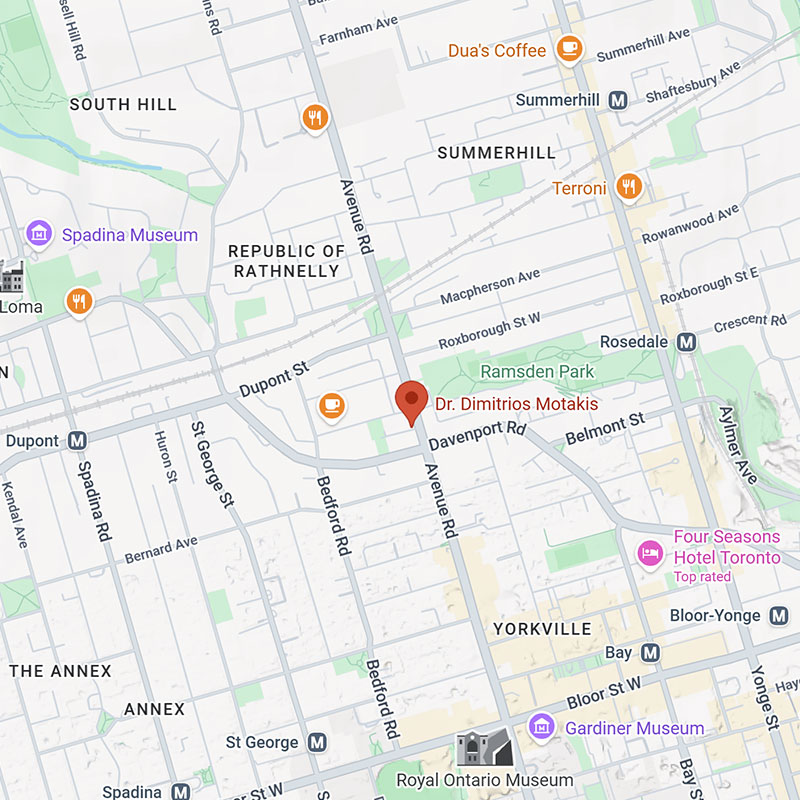
Green P street parking is available directly in front of the clinic, as well as on Davenport Rd and Bedford Rd. Additional paid parking is also available at 189 Avenue Rd and at Yorkville Village (55 Avenue Rd).
Facelift Surgery FAQ
A mini facelift uses shorter incisions and more limited repositioning for early jowling, typically suiting patients in their 40s to early 50s. A full facelift, such as SMAS or deep plane, addresses more advanced aging with a more comprehensive lift.
Most techniques provide long-lasting improvement, often ten years or more, depending on technique, skin quality, and aging pattern.
Incisions are placed within the natural creases of the ear and hairline and typically become very difficult to detect within several months of healing.
Yes. Facelift surgery is commonly combined with eyelid surgery, brow lift, neck lift, and fat grafting for comprehensive facial rejuvenation.
Cost varies based on technique, extent of surgery, and whether combined with other procedures. Exact pricing follows your consultation and assessment.
Yes. A revision or secondary facelift can address faded results or correct a previous outcome that didn't meet expectations.
Not when performed correctly. Modern techniques reposition the deeper tissue beneath the skin rather than simply pulling skin tighter, which is what produces a natural, rested look rather than a stretched appearance.
Yes. Male facelift surgery follows the same core principles, with incision placement and technique adjusted for hairline, beard growth, and facial anatomy.
Most patients describe tightness and pressure rather than significant pain in the first few days, and discomfort is well managed with medication.
Comprehensive techniques are typically performed under general anesthesia; some minimally invasive options may use twilight sedation. Your anesthesia plan is reviewed in detail during consultation.
Out-of-town patients are generally advised to stay local for 10 to 14 days after surgery to allow for proper follow-up care before travelling home.
The right technique depends on your anatomy, skin quality, and the degree of aging you'd like to address, which Dr. Motakis evaluates during your consultation rather than recommending a single default procedure.
Ready For Your Personalized Facelift Consultation?
Book a one-on-one with Dr. Motakis to talk through your goals, your anatomy, and the technique that fits both.


