What is it?
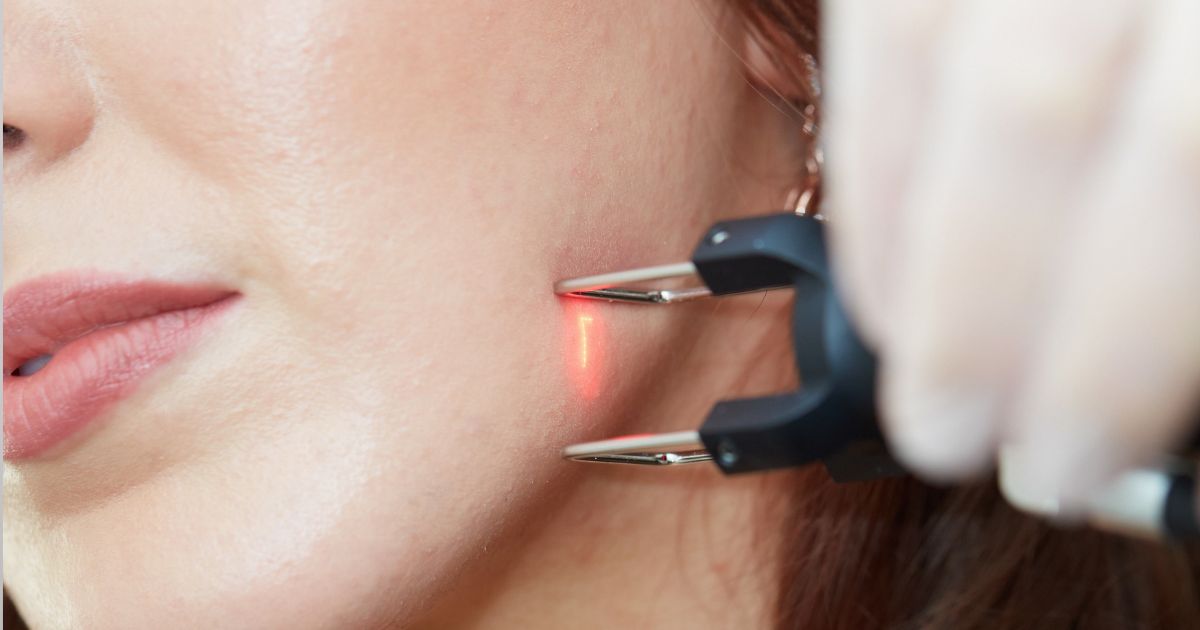
Surgical laser resurfacing is an advanced component of facial rejuvenation designed to improve skin texture, tone, and quality while softening fine lines and etched wrinkles. By precisely resurfacing the skin and stimulating deep collagen remodeling, these treatments restore smoother, firmer, and more luminous skin.
As part of surgical facial rejuvenation, advanced laser resurfacing treatments are performed under the care Dr. Motakis, often in combination with surgical procedures. This integrated approach allows for comprehensive rejuvenation of both facial structure and skin quality . Resurfacing lasers are especially effective for addressing:
- Fine lines around the eyes
- Perioral lines around the mouth
- Etched lines of the forehead and glabella
- Texture changes along the cheeks and sides of the face
By improving skin quality while surgical procedures addressdeeper structural aging, resurfacing helps create balanced, natural, andlong-lasting rejuvenation.
Advanced resurfacing technologies
Two state-of-the-art resurfacing platforms are used, each selected based on skin type, degree of aging, and overall rejuvenation goals.
CO₂ Laser Resurfacing
CO₂ laser resurfacing has long been considered the gold standard for skin rejuvenation and resurfacing. It is particularly effective for improving:
- Fine lines and wrinkles
- Sun damage
- Uneven texture
- Pore appearance
CO₂ resurfacing is best suited for lighter skin types. Traditionally, darker skin tones have not been ideal candidates for aggressive resurfacing due to the risk of pigmentation changes.
UltraClear® Laser Resurfacing
UltraClear represents a significant advancement in resurfacing technology and can be safely used across all skin types, including darker skin tones.
Its uniqueness lies in its coring technology, which creates precisely controlled microscopic drills arranged in a fractional pattern. These channels stimulate powerful collagen production, promote skin tightening and restructuring, and heal imperceptibly. This allows for deep rejuvenation while maintaining an excellent safety profile.
How does it work?
Surgical laser resurfacing is always performed in the operating room and may be done under general anesthesia for patient comfort, particularly when combined with other facial procedures.
These treatments are generally performed as aggressive resurfacing sessions, followed by periodic lighter maintenance treatments performed in the clinic to help preserve and extend results over time.
Recovery and downtime
Recovery generally requires one to two weeks, depending on treatment depth.
Patients can expect:
- Approximately one week of swelling, redness, crusting, and mild oozing
- Gradual improvement during the second week
Some degree of redness may persist for two to four weeks as the skin continues to heal and remodel. Over time, this resolves, revealing brighter, smoother, and more even-toned skin.
Pre- and post-treatment care
Sun avoidance is essential both before and after treatment:
- At least one month prior to resurfacing
- At least one month following treatment
Once healing allows, sunscreen must be applied carefully and consistently.
A customized medical-grade skincare regimen,prescribed through our office, plays an important role in recovery. Proper pre-and post-treatment skincare not only improves healing and makes recovery smoother, but also helps optimize results and make them more long-lasting.
Frequently Asked Questions
Who is a good candidate for Laser Resurfacing?
This treatment is suitable for individuals with fine lines, uneven tone, mild scarring, or sun damage who wish to improve skin quality and firmness without surgery.
How many treatments will I need?
Most patients achieve noticeable results after one session, though a series of lighter treatments may be recommended for gradual, cumulative improvement.
Is Laser Resurfacing painful?
Pain is generally not a concern with these treatments. Because resurfacing is performed under general anesthesia—often in combination with surgery—patients typically do not experience pain during the procedure. Post-treatment discomfort is usually mild and manageable.
When will I see results?
Skin appears smoother and more luminous within one to two weeks, with continued improvement for several months as new collagen develops.
How long do results last?
Results can last for several years, depending on lifestyle, sun exposure, and ongoing skincare. Maintenance treatments help preserve and enhance outcomes.
Can Laser Resurfacing be combined with other treatments?
Yes. Laser Resurfacing complements all facial rejuvenation procedures such as eyelid surgery and deep plane face and neck lifts among others, as it addresses skin crepiness, deep etched lines and over skin quality.
Featured Before / After
DEEP PLANE Face & Neck Lift: 11144
.jpg)
.jpg)
.jpg)